
Building a Dallas newborn photography portfolio takes more than creating beautiful images. It requires a solid understanding of newborn safety, consistent styling, technical skill, and a clear vision for the type of work you want to attract. For photographers who are just getting started, knowing where to begin can feel overwhelming.
A strong portfolio isn’t built overnight. It’s developed through intentional planning, practice, and carefully selected images that reflect your style while demonstrating consistency across every session. Whether you’re photographing model calls or your first client sessions, each gallery should move you closer to the portfolio you want to be known for.
Building a Professional Newborn Photography Portfolio
Understanding the Basics of Newborn Photography
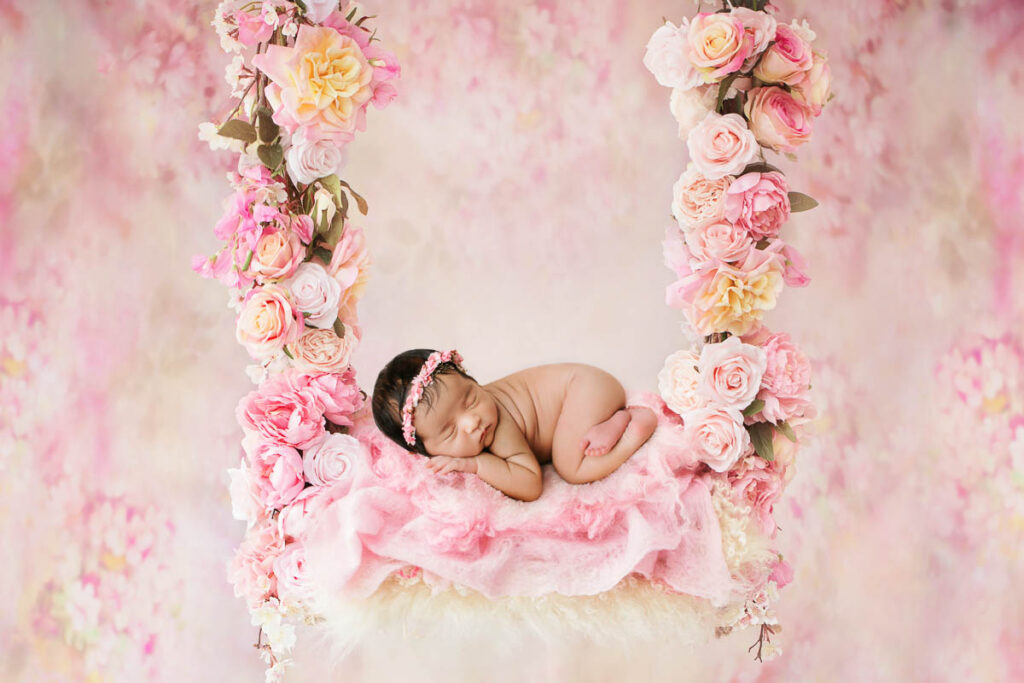
Before building a portfolio, it’s essential to understand what makes newborn photography different from other types of portrait work. Unlike family or maternity sessions, newborn photography is slower paced, highly detail-oriented, and requires a thoughtful approach to both safety and styling.
Photographing newborns requires:
- Safe posing techniques
- A controlled environment (temperature, lighting, and sound)
- Patience and flexibility during sessions
Newborns are delicate and often unpredictable, which means sessions must be guided by the baby’s comfort rather than a strict shot list. It’s common for sessions to pause for feeding, soothing, or simply allowing the baby to settle naturally into a pose. Safety should always come first. Learning proper posing techniques and understanding how to fully support a newborn’s head, neck, and body is critical before attempting more advanced setups. Many of the polished images seen in professional work are created using composite techniques, where multiple images are combined to ensure the baby is supported at all times.
Lighting also plays a significant role. Soft, diffused light helps create the gentle, refined look commonly associated with newborn photography, while also being comfortable for the baby. Whether using natural light or studio lighting, consistency and control are key to achieving clean, professional results. Taking the time to build a strong foundation in these areas will not only improve your images, but also ensure every session is conducted safely and with intention.
How to Build a Portfolio Without Clients
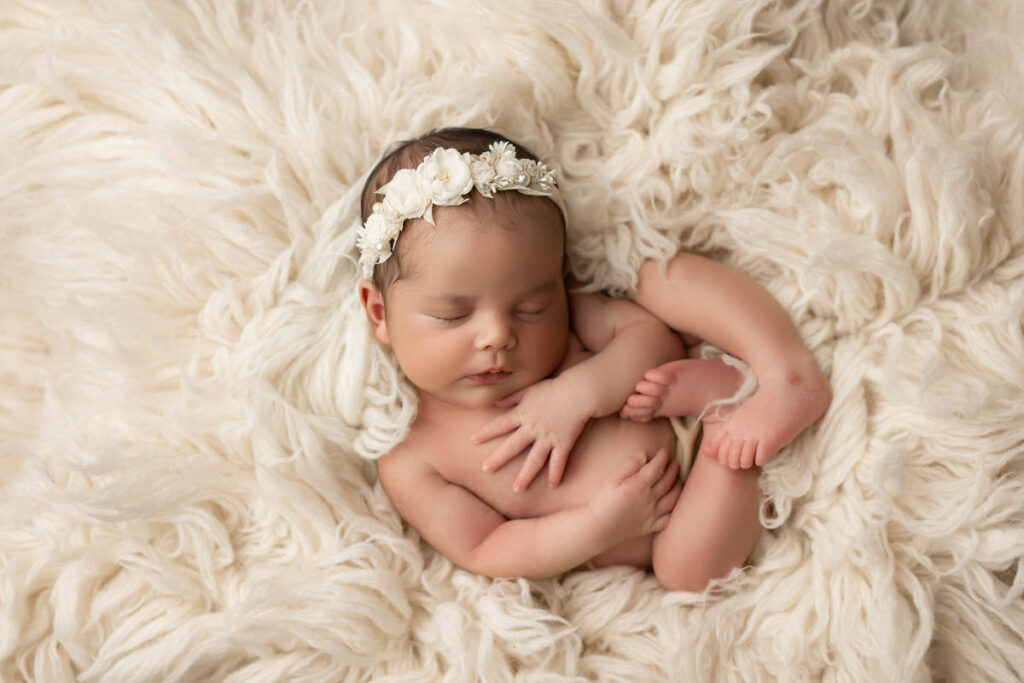
One of the most common challenges new photographers face is building a portfolio without paying clients. In the early stages, it’s completely normal to not have consistent bookings yet, which is why creating intentional practice sessions is one of the most effective ways to begin. Instead of waiting for clients, focus on creating opportunities to photograph in a controlled, low-pressure environment where you can refine your workflow and develop consistency.
You can begin by:
- Photographing friends or family members with newborns
- Offering a limited number of complimentary sessions
- Collaborating with local parent groups or community networks
When offering complimentary sessions, it’s important to set clear expectations. Keep the number of sessions limited and treat each one with the same level of care and professionalism you would give a paying client. This helps establish strong habits early and ensures your portfolio reflects the quality of work you want to be known for.
Each session should be approached as a full experience. From preparation and setup to posing and final image selection. Take the time to plan your setups in advance, choose a simple and consistent color palette, and avoid introducing too many new variables at once. Repetition is what allows you to refine your technique and produce more polished results over time.
Consistency is key. Focus on creating a cohesive body of work rather than a large collection of unrelated images. This means paying attention to details such as lighting direction, background choices, and editing style across every session. It’s also helpful to review your images critically after each shoot. Identify what worked, what felt challenging, and where small adjustments could improve the overall result. Growth in newborn photography often comes from refining small details rather than making drastic changes.
The goal isn’t quantity. It’s building a small, intentional portfolio that clearly reflects your style, your approach, and the type of sessions you want to attract moving forward.
Developing Your Style
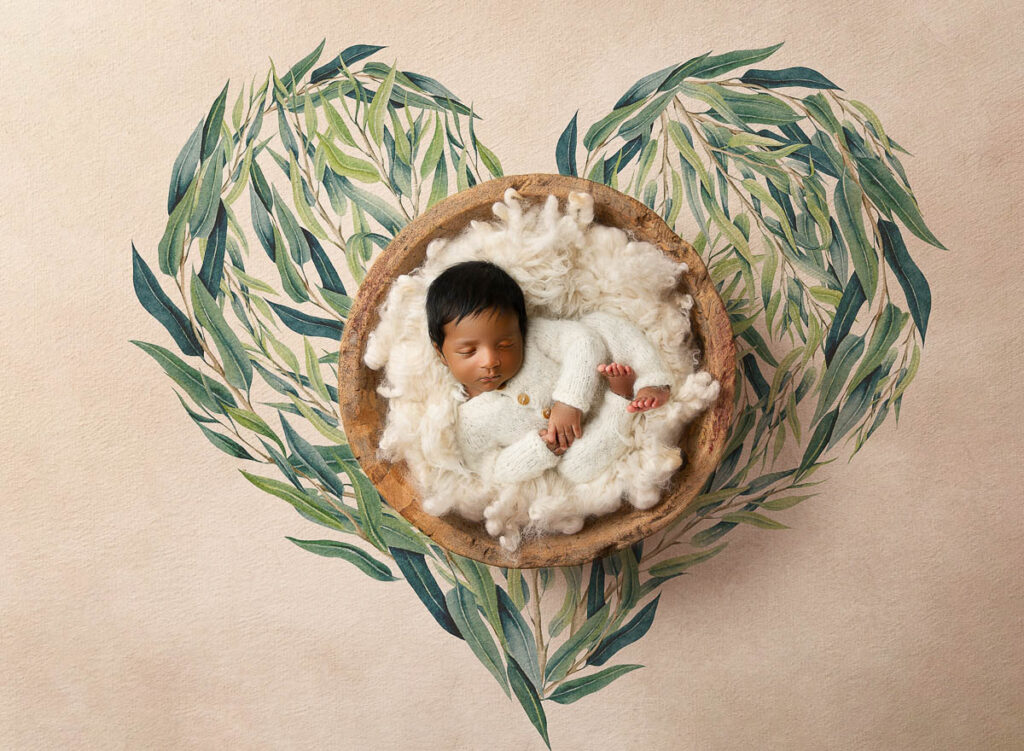
Your portfolio should feel consistent, not scattered. Developing a recognizable style is one of the most important steps in standing out, especially in a niche like newborn photography where subtle details make a significant difference.
Start by identifying what naturally draws you in:
- Light and airy vs. dark and moody
- Minimalist setups vs. more styled, prop-focused scenes
- Neutral tones vs. soft color accents
Having a clear direction early on helps you make more intentional decisions during your sessions. Rather than trying to experiment with every style at once, focus on refining one cohesive look. This creates a stronger visual identity and makes your work more memorable.
Consistency in editing, lighting, and composition will help your images feel connected over time. Pay attention to how you use light, how you frame your subject, and how your tones are balanced across your gallery. Even small adjustments like keeping backgrounds simple or maintaining a similar color palette can make a noticeable difference in how polished your portfolio appears.
Avoid trying to replicate too many different styles at once. Refinement comes from repetition, and your work will naturally evolve as you gain more experience behind the camera. If you’re unsure where to begin, studying newborn photography portfolio examples can help you identify patterns in posing, lighting, and overall aesthetic direction. Over time, these observations will guide you toward a style that feels both natural and consistent with your work.
Choosing the Right Gear and Newborn Photo Props
You don’t need an extensive collection of equipment to begin, but having the right essentials will make a noticeable difference in both your workflow and your final images. Starting with a simple, reliable setup allows you to focus on technique rather than constantly adjusting or troubleshooting your gear.
Focus on:
- A reliable camera with strong low-light performance
- A prime lens (typically 35mm or 50mm for versatility)
- Soft, diffused lighting (natural or studio)
Natural light can be a great starting point, especially when paired with a large window and a sheer curtain to soften harsh shadows. If you’re working in a studio environment, using a large softbox or diffused light source can help replicate that same soft, even look. The goal is to create gentle, consistent lighting that flatters the baby’s features without creating strong contrast or distractions.
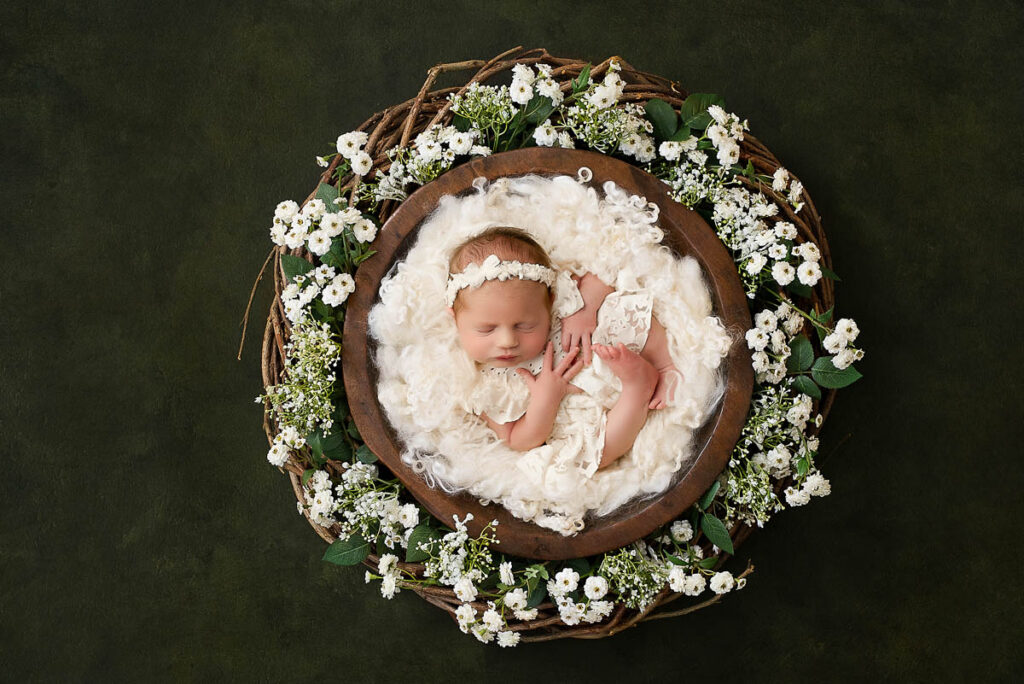
When it comes to props, less is often more. A few well-chosen pieces such as neutral wraps, simple blankets, and timeless textures can create a clean and elevated look without overwhelming the subject. Sticking to a cohesive color palette will also help your portfolio feel more refined and consistent as it grows. It’s also helpful to choose props that are functional as well as aesthetic. Supportive, well-structured items like baskets or bowls should always be stable and safe, allowing you to position the baby comfortably without unnecessary adjustments during the session.
Keeping your setups minimal not only simplifies your workflow, but also ensures the focus remains exactly where it should be, on the baby. Over time, you can slowly expand your collection, but starting with a strong, simple foundation will make your portfolio feel more intentional and polished from the beginning.
Building an Online Presence
Once you’ve created a small body of work, the next step is presenting it in a way that feels intentional, refined, and easy to navigate. Your online presence is often the first impression of your work, so clarity and consistency are just as important as the images themselves.
Your portfolio should:
- Showcase only your strongest images
- Maintain a consistent editing style
- Reflect the type of sessions you want to book
When selecting images, be selective. A smaller, cohesive collection will always feel more elevated than a large gallery with inconsistent quality. Each image should contribute to a clear visual direction, reinforcing your style rather than distracting from it.
Organization plays a key role as well. Grouping images in a clean, structured way allows viewers to quickly understand your aesthetic and recognize patterns in your work. Avoid cluttered layouts or overly complex designs, simplicity helps your images stand out. It’s also important to think about how your work is experienced. Consistent spacing, balanced image flow, and thoughtful placement all contribute to a more polished presentation. These small details often make the difference between a portfolio that feels scattered and one that feels professionally curated.
While social media can help increase visibility, your portfolio should remain the foundation of your presence. It’s the one place where your work is fully controlled, distraction-free, and aligned with the type of photography you want to continue creating.
Common Mistakes When Starting a Newborn Portfolio
When building a newborn photography portfolio, it’s easy to fall into habits that can slow your progress.
Some of the most common mistakes include:
Prioritizing quantity over quality
A smaller, refined portfolio is far more impactful than a large collection of inconsistent images.
Inconsistent editing styles
Switching between tones, colors, and lighting styles makes your work feel unpolished.
Overusing props
Too many elements can distract from the subject. Simplicity creates stronger, more timeless images.
Ignoring lighting control
Light is one of the most important elements in newborn photography. Learning how to shape and soften it will elevate your work significantly.
Attempting advanced poses too early
Without proper training, complex poses can be unsafe. Start simple and build your skills gradually.
Final Thoughts
Building a newborn photography portfolio takes time, patience, and intentional practice. Focus on creating a consistent body of work that reflects your vision, prioritize safety in every session, and refine your approach with each shoot. As your skills grow, so will your portfolio. Eventually becoming a collection of images that not only showcase your work, but attract the kind of sessions you want to create.